EV Die Casting and Tooling in India: Key Trends for 2027
Electric vehicles are changing what India’s die casters and toolmakers build. Lighter, larger and more precise parts mean new demands on the dies behind them. Here is what is driving the shift, and what it means for tooling suppliers.
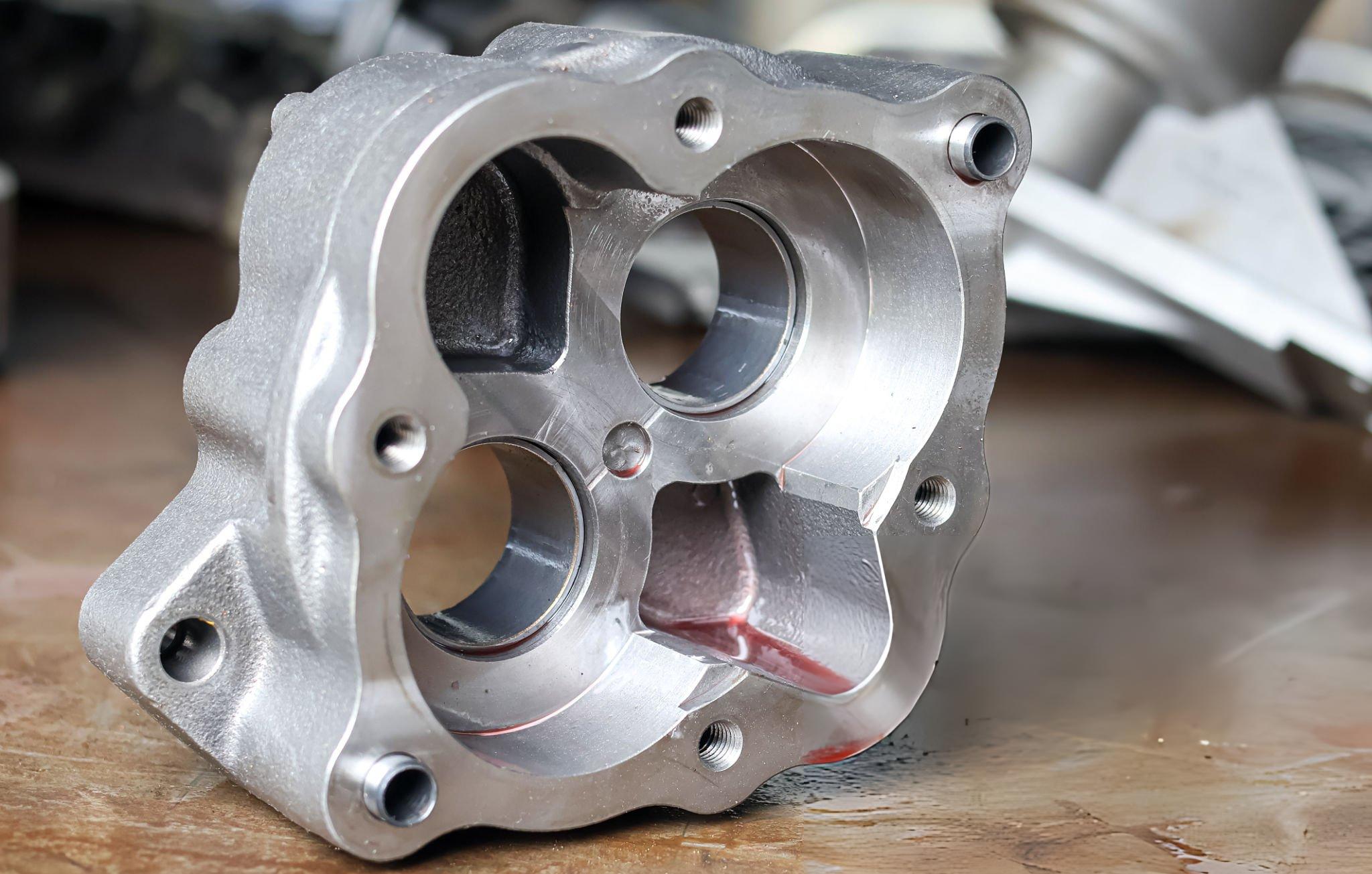
Drive Excellence with EV Die Casting & Tooling Solutions
Why EVs are driving die casting demand: Aluminium high-pressure die casting is moving into EV platforms. Applications now include motor housings, battery enclosures, and structural and drivetrain components, where lightweighting and precision matter for performance and range. India’s growing auto and EV base, particularly around Pune’s automotive cluster, has made the region a focus for industry events and investment.
Giga-casting raises the bar for tooling: Large integrated castings can replace multiple stamped, welded or assembled components, which cuts part count and assembly steps. For toolmakers, that brings new challenges. Analysts note that tooling and die thermal management become more complex as component size increases, and that tooling lead times and large machine capacity are constraints. Bigger dies need larger machining capacity, better cooling design and tighter process control.
Capacity is expanding in Pune and Chennai: Investment is following demand and monitoring systems for tight tolerances. Jaya Hind Industries announced a Rs 600 crore phased investment through FY2027-28 across Pune and Chennai, covering new HPDC machines and machining capacity. Uno Minda is also building a new casting plant at Chhatrapati Sambhajinagar for EV casting parts, with a capex of about Rs 2.1 billion.
Local tooling is a growing opportunity: Domestic toolmakers are positioning for EV work. Godrej Enterprises Group says its tooling division is supplying high-precision, locally manufactured dies and tooling for EV components, helping Tier 1 and Tier 2 suppliers meet technical needs under Make in India.
10,000+
Visitors
200+
Exhibitors
5+
Countries
Why Exhibit in EV Die Casting & Tooling Sector?
Large-Die Machining
5-axis and high-speed capacity for big, complex dies engineered for modern EV structural castings.
Thermal Management & Simulation
Cooling design, mold-flow simulation, and 3D-printed conformal cooling inserts for rapid cycle times.
Lead Time & Digital Planning
Automation and digital toolroom planning to shorten delivery times and accelerate time-to-market.
Key Services on Display
Help Center
Frequently Asked Questions
Explore exhibiting and sourcing opportunities for your business in the EV Die Casting & Tooling sector.
Why are EVs driving demand for advanced die casting dies?
Aluminium high-pressure die casting is moving into EV platforms including motor housings, battery enclosures, and structural components where lightweighting and precision are essential for vehicle range.
How does giga-casting impact toolmakers?
Large integrated castings replace multiple components. Bigger dies require larger 5-axis machining capacity, advanced thermal cooling design, and tight process monitoring.
Where can I explore these technologies live?
Compare CNC, EDM, 3D printing, simulation and tooling suppliers in one place at DIEMEX 2027, 24-26 March, Auto Cluster Exhibition Centre, Pune.